Home / Microscopes / Zoom Microscopes / ZEISS
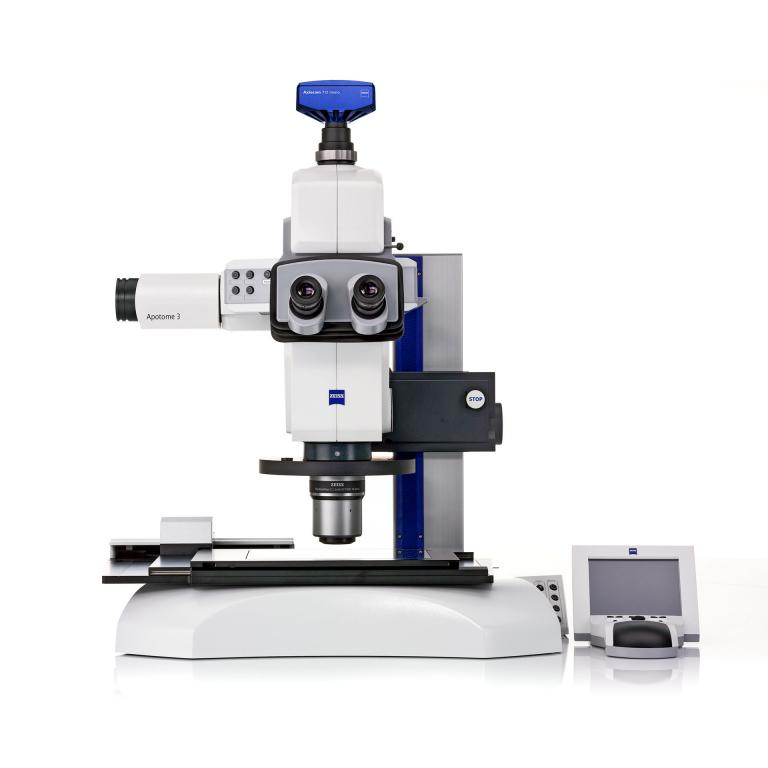
ZEISS | Axio Zoom.V16 for Biology
Carl Zeiss Microscopy GmbH
ZEISS | Axio Zoom.V16 for Biology
Carl Zeiss Microscopy GmbHCarl-Zeiss-Promenade 10
07745 Jena
Deutschland
Phone Sales: +49 7364 20 3500
Email Sales:
Phone Service: +49 7364 20 3800
Email Service:
Fax: +49 7364 20 3226
Web: https://www.zeiss.com/microscopy
Quote request
ManufacturerCarl Zeiss Microscopy GmbH
The request is sent to the manufacturer. The request is sent directly.
Description
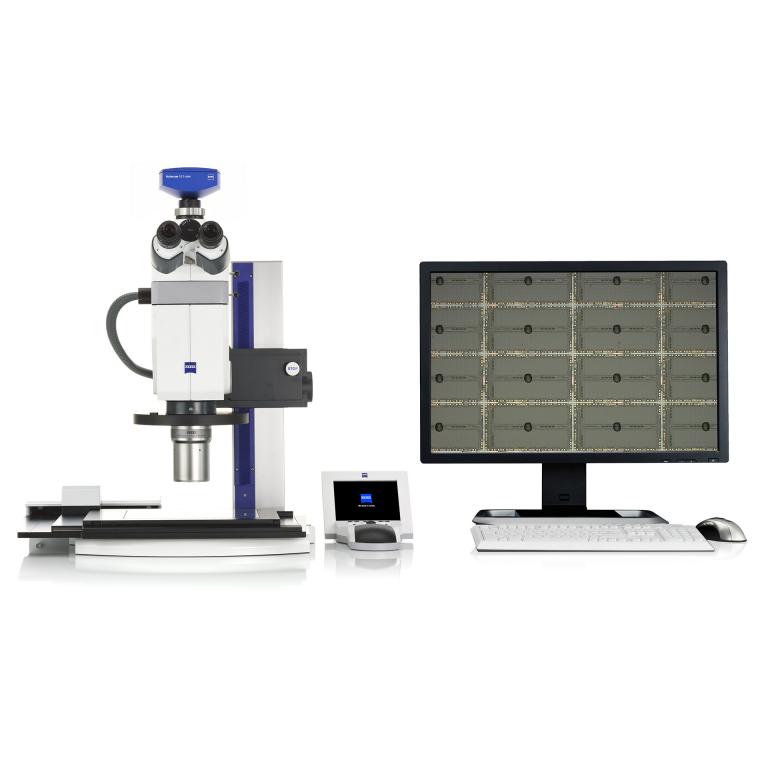
Your Stereo Zoom Microscope with Fluorescence for Large Object Fields
The ZEISS Axio Zoom.V16 combines a 16x magnification with an impressive numerical aperture of NA 0.25, making it the most powerful stereo and zoom microscope in its class. It achieves a high aperture even in the mid-zoom range, enabling exceptional brightness in large object fields. This microscope allows you to observe entire model organisms in fluorescence contrast with great detail.
Exceptional Brightness in Large Object Fields
With a numerical aperture of NA 0.5 using the Plan-NEOFLUAR Z 2.3×, the Axio Zoom.V16 delivers bright fluorescence signals in large object fields. This high numerical aperture supports applications beyond routine screenings, allowing for complex, multidimensional imaging, even in the mid-zoom range.
Versatile Zoom Modes
The Axio Zoom.V16 features various zoom modes tailored to different applications:
- Brightness Mode: Provides maximum brightness for fluorescence images across the entire zoom range.
- Eyepiece Mode: Ideal for observations through eyepieces with conventional lighting.
- Camera Mode: Optimizes the camera's performance with a perfect balance of resolution and depth of field.
Intelligent Transmitted Light
With a simple button press, the Axio Zoom.V16 enables high-contrast brightfield imaging by selecting the "Best Mode." The microscope automatically adjusts the transmitted light settings to achieve optimal results. These settings can be saved and recalled for consistent results.
eZoom for Double Precision
At the heart of the Axio Zoom.V16 is the eZoom, which ensures precise electronic alignment of the lenses. This results in images twice as sharp as those produced by traditional mechanical zoom bodies, providing exceptionally clear imaging across the entire magnification range.